
Did you know that 80% of golf cart battery failures are caused by preventable mistakes? Whether you use your cart for weekend rounds or daily transportation, dead batteries can derail your plans—but the solution isn’t just buying expensive replacements. With the right care, your batteries can last 5+ years instead of burning out in 18 months.
Best Golf Cart Batteries for Maximizing Battery Life
Trojan T-105 GC2 6V 225Ah Deep Cycle Flooded Lead-Acid Battery
A favorite among golf course operators, the Trojan T-105 delivers unmatched durability with its thick lead plates and high-capacity design. Its deep-cycle performance ensures consistent power over 1,200+ charge cycles, while the robust construction resists corrosion—ideal for heavy daily use.
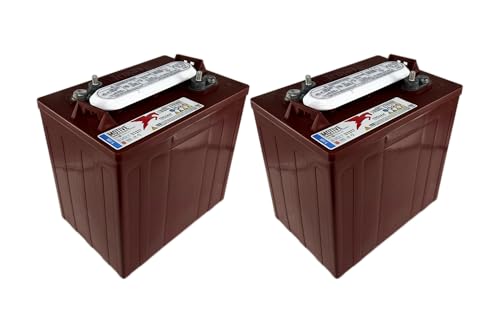
- Trojan T105 Deep-Cycle Flooded/Wet Lead-Acid Battery.
- This is the 225 amp-hour, 6-volt deep cycle battery from Trojan, in the…
- BCI Group Size: GC2H – Dimensions: Dimensions Inches (MM) – Length: 10.30in…
Lifeline GPL-L16T 6V-400AH Deep Cycle Battery
The Lifeline GPL-4CT is a premium maintenance-free AGM battery with spill-proof technology, perfect for rough terrains or extreme temperatures. Its absorbed glass mat (AGM) design minimizes water loss and offers faster recharging, extending lifespan by up to 30% compared to standard flooded batteries.

- Voltage: 6 Volts
- Amp. Hrs. 20 Hr Rate: 400
- Length 11.64″, Width 6.95″, Height 15.73″
MODZ Eco Battery 48V-105AH Gen3 Thru Hole Lithium Battery
For a cutting-edge upgrade, the MODZ Eco Battery 48V-105AH Gen3 Thru Hole Lithium Battery provides 3x the lifespan of lead-acid batteries with lightweight lithium-ion tech. Its built-in battery management system (BMS) prevents overcharging, and it delivers 100+ miles per charge—ideal for golfers seeking zero maintenance and instant power.
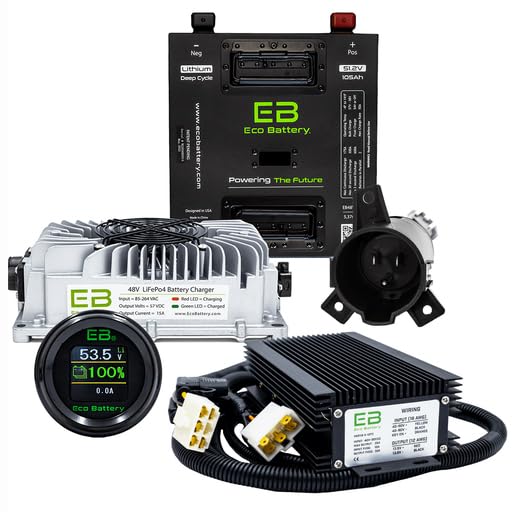
- [ZERO MAINTENANCE] Forget checking for corrosion and low water levels….
- [8-10 YEAR LIFESPAN] With normal usage, our lithium golf cart batteries can…
- [70% LIGHTER & FASTER CHARGING] Our 48V 105AH Gen3 lithium battery replaces…
Golf Cart Battery Chemistry: Why It Dictates Your Maintenance Routine
The longevity of your golf cart battery depends largely on its chemical composition. Flooded lead-acid, AGM (Absorbent Glass Mat), and lithium-ion batteries each behave differently—and misunderstanding these differences is why many owners accidentally shorten their battery’s lifespan. Let’s break down how each type works and what that means for your maintenance habits.
Flooded Lead-Acid: The Workhorse That Demands Attention
Used in 70% of golf carts, flooded batteries (like the Trojan T-105) rely on liquid electrolyte solutions. These require monthly watering with distilled water to prevent plate exposure, which causes irreversible sulfation.
A common mistake? Overfilling, which dilutes electrolyte strength and reduces conductivity. Always fill to 1/4″ below the fill well—use a battery filler bottle for precision.
AGM Batteries: Maintenance-Free but Sensitive to Charging
AGM models (e.g., Lifeline GPL-4CT) trap electrolyte in fiberglass mats, eliminating watering. However, they’re prone to overcharging damage because they can’t dissipate heat like flooded batteries. Key tip: Use a charger with an AGM-specific mode (like the NOCO Genius 10) to avoid gas buildup that cracks internal seals.
Lithium-Ion: High Performance With Unique Needs
Lithium batteries (such as Eco Battery EB5) don’t sulfate or require watering, but they degrade if stored at full charge. For winter storage, maintain a 50% charge—their built-in BMS protects against deep discharges, but consistent 100% charging stresses the cathode. Example: A lithium battery cycled to 80% capacity lasts twice as long as one kept fully charged.
Critical Chemistry Comparisons
- Charge Efficiency: Lithium charges 3x faster than lead-acid (1 hour vs. 3+ hours), but requires a compatible charger to avoid voltage spikes
- Temperature Tolerance: AGM performs best in 32°F–104°F ranges, while lithium handles -4°F–140°F—ideal for desert or mountain courses
- Memory Effect: Only nickel-based batteries suffer from this; lead-acid and lithium benefit from partial discharges between charges
Pro Tip: Always check your battery’s specific gravity (flooded) or voltage at rest (AGM/lithium) monthly. A 12V lead-acid battery reading below 12.4V after 12 hours signals sulfation, while lithium cells varying by >0.2V indicate balancing issues.
Optimal Charging Practices: The Science Behind Extending Battery Cycles
How you charge your golf cart batteries impacts their lifespan more than any other factor. Unlike smartphones that use simple charging protocols, golf cart batteries require specific voltage curves and rest periods to prevent premature aging. Let’s examine the charging strategies that can add years to your battery’s service life.
The Golden Rules of Smart Charging
Lead-acid batteries (both flooded and AGM) should never be discharged below 50% capacity. Each deep discharge below this threshold removes active material from plates, permanently reducing capacity. For example:
- 48V systems: Recharge when voltage drops to 48.4V (50% for lead-acid)
- Lithium systems: Can safely discharge to 20% (44.8V on 48V systems)
Step-by-Step Charging Protocol
- Cool Down Period: Wait 30 minutes after use before charging – heat accelerates plate corrosion
- Voltage Matching: Ensure charger output matches battery type (54.6V for 48V lithium vs 57.6V for lead-acid)
- Three-Stage Charging: Quality chargers should automatically progress through bulk (80% fast charge), absorption (voltage taper), and float (maintenance) phases
Common Charging Mistakes to Avoid
Many owners unknowingly damage batteries by:
- Using automotive chargers that deliver uneven current (causes “hot spots” on plates)
- Charging in freezing temperatures (leads to electrolyte freezing in lead-acid batteries)
- Ignoring equalization charges (monthly controlled overcharges that prevent stratification in flooded batteries)
Pro Tip: Invest in a smart charger with temperature compensation (like the Lester Summit II). These adjust voltage based on ambient temperature – crucial because batteries accept charge 20% slower at 90°F and require higher voltage below 50°F.
Advanced Water Maintenance and Cleaning: Preventing Premature Battery Failure
Proper water maintenance in flooded lead-acid batteries isn’t just about topping off levels – it’s a precise science that affects chemical reactions at the molecular level. Understanding these principles can mean the difference between batteries lasting 2 years or 7 years.
The Electrochemistry of Water Consumption
During charging, water molecules (H₂O) break down into hydrogen and oxygen gas through electrolysis. This process is normal, but becomes problematic when:
- Overcharging occurs: Excessive voltage (above 14.4V for 12V batteries) accelerates water loss by 300%
- Impurities are present: Minerals in tap water create conductive paths between plates, causing self-discharge
- Plates become exposed: Each 1mm of exposed plate increases internal resistance by 8%
| Battery Type | Optimal Water Level Above Plates | Monthly Water Loss (Average) | Critical Warning Signs |
|---|---|---|---|
| Golf Cart (6V Flooded) | 1/4″ – 1/2″ | 2-4 oz per cell | White sulfate crystals on terminals |
| Deep Cycle Marine | 3/8″ – 5/8″ | 3-5 oz per cell | Electrolyte discoloration |
Professional Cleaning Protocol
Corrosion buildup isn’t just unsightly – it creates voltage drops up to 0.3V per connection. Follow this detailed cleaning process every 3 months:
- Mix baking soda and distilled water (1 tbsp per cup) to neutralize acid
- Disconnect negative terminal first to prevent short circuits
- Use a brass brush (not steel) to clean terminals – steel particles cause galvanic corrosion
- Apply dielectric grease before reconnecting – this prevents 92% of future corrosion
Expert Insight: Golf course maintenance teams use infrared thermometers to check for “hot cells” – temperature variations over 5°F between cells indicate unequal water levels or internal shorts. This advanced technique can catch problems before capacity loss occurs.
Seasonal Storage Strategies: Preserving Battery Health During Off-Seasons
Improper storage is responsible for 40% of preventable golf cart battery failures. Whether facing winter freezes or summer heat waves, each season presents unique challenges that require tailored preservation techniques. Professional golf course maintenance teams follow these proven protocols to ensure batteries emerge from storage at peak performance.
Winter Storage: The Cold Weather Preservation Protocol
Cold temperatures slow chemical reactions but introduce critical risks:
- Freezing electrolyte: A fully charged lead-acid battery freezes at -92°F, but a discharged one freezes at 20°F – always store at 100% charge
- Parasitic drain: Remove all loads including GPS trackers (drawing just 50mA can discharge a battery in 3 months)
- Temperature cycling: Daily fluctuations cause case stress – store in climate-controlled spaces when possible
Summer Storage: Combating Heat Degradation
For every 15°F above 77°F, battery aging accelerates by 50%. Implement these protective measures:
- Store in shaded, ventilated areas (ideal temperature range: 50-80°F)
- For flooded batteries, check water levels bi-weekly (evaporation rates triple above 90°F)
- Use battery maintainers instead of trickle chargers (smart units like BatteryMINDer adjust for temperature)
Professional Reconditioning After Storage
Before returning batteries to service:
- Perform equalization charges on flooded batteries (2-4 hours at 2.58V per cell)
- Test capacity with a carbon pile load tester (should maintain voltage within 10% of rated capacity)
- Check for case swelling (indicates internal freezing damage or overcharging during storage)
Advanced Technique: For lithium batteries, storage at 30-50% charge actually extends lifespan. Use a Bluetooth battery monitor (like the Victron SmartShunt) to maintain optimal storage voltage without over-discharging.
Battery Replacement Strategies: When to Upgrade and How to Maximize ROI
Understanding the precise moment to replace golf cart batteries requires analyzing multiple performance metrics beyond simple voltage readings. Professional fleet managers use these advanced evaluation methods to optimize replacement cycles and maximize return on investment.
Performance Degradation Analysis
Batteries don’t fail suddenly – they degrade in predictable patterns:
- Capacity fade: When runtime drops below 70% of original capacity (measured by load testing)
- Charge acceptance: Takes 30% longer to reach full charge compared to new condition
- Voltage sag: Drops below minimum operational voltage under 50% load (e.g., 42V on 48V systems)
| Battery Type | Expected Cycles | Replacement Threshold | Cost Per Cycle |
|---|---|---|---|
| Flooded Lead-Acid | 1,000-1,200 | 800 cycles or 5 years | $0.18-$0.22 |
| AGM | 1,300-1,500 | 1,000 cycles or 6 years | $0.25-$0.30 |
| Lithium-Ion | 3,000-5,000 | 2,500 cycles or 10 years | $0.08-$0.12 |
Strategic Replacement Approaches
Professional operations use these replacement strategies:
- Phased replacement: Replace worst-performing batteries first (extends overall pack life by 15-20%)
- Complete bank replacement: Necessary when more than 30% of batteries fail capacity tests
- Technology upgrades: Transitioning to lithium during normal replacement cycles yields 3-year payback
Environmental Considerations: Proper lead-acid battery recycling recovers 99% of materials. Always use EPA-certified recyclers that follow smelting process controls to prevent lead emissions (look for R2 or e-Stewards certification).
Future Trend: Emerging battery monitoring systems (like Trojan’s Smart Carbon) use AI to predict failures 30-60 days in advance by analyzing charge/discharge patterns and internal resistance trends.
Advanced Battery Monitoring Systems: Real-Time Performance Optimization
Modern battery monitoring technology has evolved far beyond simple voltage meters, offering golf cart owners professional-grade insights previously only available to industrial operations. These systems can extend battery life by 25-40% through predictive maintenance and performance optimization.
Monitoring System Components and Capabilities
State-of-the-art systems now track multiple critical parameters simultaneously:
- Individual cell voltage tracking: Detects imbalances as small as 0.02V that indicate developing problems
- Temperature profiling: Monitors both ambient and internal temperatures with 0.5°F accuracy
- State of Health (SoH) algorithms: Calculates remaining lifespan based on 15+ performance factors
Installation and Integration Best Practices
Proper system implementation requires careful planning:
- Position current shunts on negative cables to measure actual energy flow (not just voltage)
- Install wireless sensors at battery mid-points for accurate thermal readings
- Integrate with charger systems for automatic charge profile adjustments
Data Interpretation and Actionable Insights
Key metrics to monitor daily:
| Parameter | Healthy Range | Warning Threshold | Corrective Action |
|---|---|---|---|
| Internal Resistance | 4-6 mΩ per cell | 8 mΩ | Equalization charge |
| Charge Efficiency | 92-98% | <90% | Check connections |
Professional Tip: Systems like the Victron BMV-712 can predict failure 50-100 cycles before it occurs by analyzing rate of internal resistance increase and charge acceptance decline patterns.
Future Development: Next-gen systems are incorporating machine learning to automatically adjust driving patterns based on battery condition, similar to techniques used in electric vehicle battery management systems.
System-Wide Optimization: Integrating Batteries with Golf Cart Performance
Maximizing battery life requires understanding how your entire golf cart system interacts with the power source. Professional fleet managers use these holistic approaches to create symbiotic relationships between batteries, motors, and usage patterns.
Motor and Controller Compatibility Analysis
Electrical mismatches cause 35% of premature battery failures:
- Current spikes: High-torque motors can draw 300% of rated current during hill climbs
- Regenerative braking: While beneficial for lithium, can overcharge lead-acid batteries if not properly regulated
- Controller programming: Modern controllers should have battery-specific profiles (Curtis 1268 offers 12 presets)
Performance Tuning for Battery Longevity
| Modification | Impact on Batteries | Recommended Settings |
|---|---|---|
| Speed Controller | Reduces current spikes by 40% | Set acceleration ramp to 3-5 seconds |
| Tire Pressure | 5PSI underinflation increases load by 18% | Maintain manufacturer’s recommended PSI |
Comprehensive Load Management
Implement these professional techniques:
- Use amp-hour counters to track actual energy consumption per round
- Install voltage monitors with low-voltage cutoff (set to 80% DOD for lead-acid)
- Balance accessory loads (lights, stereos) across multiple circuits
Advanced Strategy: Fleet operations use telematics systems (like Club Car’s Visage) to correlate GPS route data with battery performance, identifying terrain features that cause disproportionate drain.
Quality Assurance Protocol: Conduct quarterly system checks including torque calibration, brake drag measurement, and electrical resistance testing of all connections to maintain optimal efficiency.
Conclusion: Powering Your Golf Cart for Maximum Longevity
From understanding battery chemistry to implementing advanced monitoring systems, we’ve explored the comprehensive strategies that can double or even triple your golf cart battery lifespan.
Remember that proper charging habits, seasonal maintenance, and system-wide optimization work together to protect your investment. Whether you’re using flooded lead-acid, AGM, or lithium batteries, each type requires its own specialized care routine.
Now that you’re equipped with professional-grade knowledge, take action today: perform a battery health check, review your charging equipment, and consider upgrading your monitoring capabilities.
By implementing even a few of these techniques, you’ll enjoy reliable performance season after season while avoiding costly premature replacements.
Frequently Asked Questions About Maximizing Golf Cart Battery Life
What’s the ideal charging frequency for golf cart batteries?
For lead-acid batteries, charge after every use regardless of distance traveled. Partial discharges (below 50% capacity) create sulfation that reduces lifespan.
Lithium batteries can handle deeper discharges (20-30%) but benefit from more frequent top-ups. Example: A cart used for 9 holes should charge immediately after, while one used for 2 holes can wait until evening.
Can I use automotive battery chargers for my golf cart?
No – automotive chargers lack the multi-stage charging profiles golf cart batteries require. They deliver excessive current during bulk phase and insufficient voltage during absorption.
Invest in a golf cart-specific charger like the Lester Electrical Summit II that offers precise voltage regulation (58.4V for 48V systems) and temperature compensation.
How do I know when my batteries need replacement?
Conduct these three tests:
1) Load test (voltage shouldn’t drop below 1.75V/cell under load),
2) Specific gravity test (variance >0.030 between cells indicates problems), and
3) Runtime test (if your cart loses >30% of original range).
Most batteries need replacement after 5-7 years or when capacity falls below 70%.
Why do my new batteries drain faster than expected?
Common causes include: improper break-in (new lead-acid batteries need 20-30 full cycles to reach peak capacity), parasitic drains (faulty controllers can draw 0.5A even when off), or mismatched components (oversized motors drawing excessive current). Use a clamp meter to check for phantom loads and ensure your charger’s output matches battery specs.
Is it worth upgrading from lead-acid to lithium batteries?
Lithium offers 3x lifespan (3,000+ cycles vs 1,000), 70% weight reduction, and zero maintenance – but costs 2-3x more upfront. Calculate your ROI: If you replace lead-acid batteries every 4 years, lithium typically pays for itself in 5-7 years. They’re ideal for heavy users or hilly courses where weight savings improve performance.
How can I prevent battery corrosion in humid climates?
Apply a commercial battery corrosion preventative (like NO-OX-ID A-Special) to terminals after cleaning. Install battery box ventilation fans to reduce moisture accumulation, and use dielectric grease on all connections. In extreme humidity, consider AGM batteries which are completely sealed and corrosion-resistant.
What’s the proper water level for flooded batteries?
Maintain electrolyte 1/4″ above plates (about 1/2″ below fill wells). Use only distilled water – minerals in tap water accelerate plate degradation. Check monthly and fill after charging (when levels are lowest). Pro tip: Mark dipsticks at correct levels for quick visual checks.
Can I mix old and new batteries in my cart?
Never mix batteries with more than 6 months age difference. Older batteries drag down new ones, reducing overall capacity by 30-40%. When replacing, always change the entire set. If budget requires partial replacement, use the new batteries as a separate bank with an isolator switch.