
Did you know that a single golf cart battery leak can permanently etch concrete if not treated immediately? Battery acid stains aren’t just unsightly—they can weaken your driveway or garage floor over time. Yes, you can remove golf cart battery acid from concrete, but it requires the right approach to avoid further damage.
Many homeowners panic and reach for harsh chemicals, only to worsen the corrosion. But what if you could eliminate stains and protect your concrete’s integrity?
Imagine discovering a chalky white residue or yellow-brown streaks spreading across your floor. Left untreated, sulfuric acid eats into the surface, creating rough, pitted patches. Fortunately, with the right tools and techniques—from baking soda neutralization to pressure washing—you can restore your concrete safely.
Best Products for Removing Golf Cart Battery Acid From Concrete
CLR Pro Calcium, Lime & Rust Remover
CLR Pro (Model: PRO01112) is a powerful, non-toxic cleaner specifically formulated to dissolve mineral deposits and neutralize acidic stains. Its fast-acting formula penetrates deep into concrete pores, breaking down battery acid residue without harsh scrubbing. Safe for most surfaces, it’s ideal for both fresh spills and old stains.

- The fast and effective way to clean away calcium, lime and rust deposits.
- Multi-purpose cleaner designed for a variety of applications including…
- Great for use in commercial cleaning applications including for steam…
Armor All Extreme Shield Protectant Spray
Armor All’s is designed for heavy-duty acid spills, including sulfuric acid from golf cart batteries. This industrial-strength neutralizer chemically bonds with acid to prevent further concrete erosion. Its foaming action clings to vertical surfaces, making it perfect for garage floors or driveway edges.
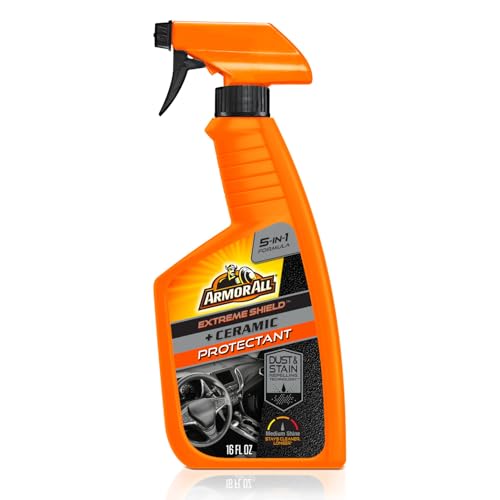
- One 16 fl oz bottle of Armor All Extreme Shield Protectant Car Cleaning…
- UV protectant spray with stain blocker works as an extreme interior car…
- 5-in-1 car interior protectant vinyl cleaning spray prevents dust buildup…
Simple Green 19128 Crystal Industrial Cleaner & Degreaser
Simple Green’s 19128 is an eco-friendly, biodegradable option that lifts acid stains while deodorizing concrete. Its non-corrosive formula won’t damage surrounding grass or plants, and it’s effective on oil and grease stains too. Use it with a stiff brush for stubborn, dried-on residue.
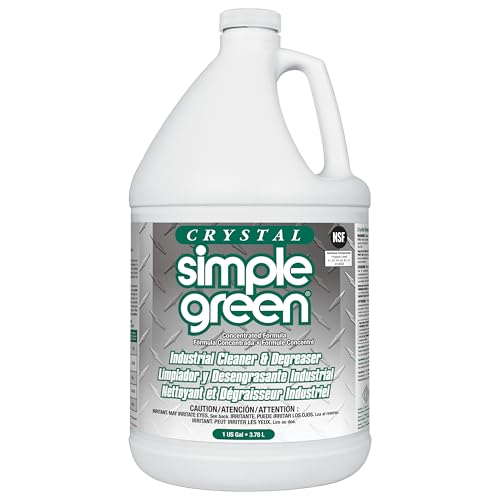
- Crystal Simple Green is formulated for critical cleaning applications that…
- It is a highly effective, concentrated, all-purpose degreaser and cleaner
- Non-toxic, biodegradable, non-hazardous, non-flammable, non-corrosive
Golf Cart Battery Acid Stains and Concrete Damage
Golf cart batteries typically contain sulfuric acid, a highly corrosive substance that reacts aggressively with concrete.
When leaked acid penetrates the surface, it dissolves the calcium hydroxide in cured concrete, creating weak, crumbly areas known as etching. Left untreated, these stains evolve into permanent structural damage, compromising the slab’s load-bearing capacity.
How Acid Affects Concrete Chemistry
Concrete’s porous nature allows battery acid to seep deep into its matrix. The sulfuric acid (H₂SO₄) reacts with calcium compounds in cement paste, forming gypsum (calcium sulfate) and water.
This reaction expands, causing micro-cracks and surface spalling. Within 24 hours, visible discoloration appears—yellowish-brown for fresh spills or chalky white for dried residue.
Common Misconceptions About Cleaning
- Myth: “Vinegar neutralizes battery acid.” Reality: Vinegar (acetic acid) worsens the reaction. Only alkaline substances like baking soda (pH 9) or specialized neutralizers counteract sulfuric acid (pH 0.5–2).
- Myth: “Pressure washing alone removes stains.” Reality: High-pressure water drives acid deeper. Always neutralize chemically first.
Critical Safety Precautions
Before treatment, wear nitrile gloves, goggles, and a respirator—sulfuric acid fumes are toxic. Test cleaning solutions on a small area first, as some concrete sealants alter chemical reactions.
For severe corrosion (pits deeper than ⅛ inch), consult a professional to assess structural integrity.
Pro Tip: Place plastic drip trays under golf cart batteries to catch leaks early. Inspect terminals monthly for corrosion—a white powdery buildup indicates potential acid leaks.
Step-by-Step Guide to Removing Battery Acid Stains From Concrete
Immediate Response Protocol for Fresh Spills
When you first notice a battery acid leak, time is critical. Within minutes, the acid begins etching the concrete surface. Start by sprinkling a generous layer of baking soda (sodium bicarbonate) over the spill—this creates a neutralizing paste that bubbles as it counteracts the acid.
For larger spills, use a commercial acid neutralizer like Armor All AA255, applying it with a plastic scraper to avoid metal-tool reactions.
Deep Cleaning Process for Set-In Stains
- Dry brush loose debris using a stiff-bristle broom—never use wire brushes, as they can contaminate the area with metal particles.
- Create a cleaning solution of 1 cup trisodium phosphate (TSP) per gallon of warm water. TSP breaks down acid residues without harming concrete like chlorine bleach would.
- Scrub radially from the stain’s edges inward using a nylon brush. This prevents spreading the contamination to unaffected areas.
Advanced Techniques for Severe Damage
For concrete with visible pitting (depressions deeper than 1/16 inch), use a concrete resurfacer after cleaning. Products like Quikrete Concrete Resurfacer (#1131) fill etched areas and restore a smooth finish. Apply with a masonry trowel, feathering edges to blend with surrounding surfaces. Allow 72 hours curing time before exposing to vehicle traffic.
Pro Tip: After treatment, apply a penetrating sealer like Siloxa-Tek 8510 to protect against future acid penetration. This silicone-based sealer chemically bonds with concrete pores without creating a slippery surface film.
Troubleshooting Common Challenges
- Recurring stains: Indicates residual acid in subsurface pores. Use a poultice (baking soda + water paste) covered with plastic for 24 hours to draw out contamination.
- Discoloration remains after cleaning: This may be “ghosting”—a chemical alteration of concrete pigments. Oxalic acid washes (1:10 solution) can often restore color uniformity.
Advanced Protection and Long-Term Concrete Maintenance Strategies
Preventive Measures for Golf Cart Battery Storage
Proper battery storage is the first line of defense against acid leaks. Install polyethylene containment trays (minimum 1/4″ thick) under all batteries, sized to hold 150% of the battery’s electrolyte volume.
For maximum protection, combine with absorbent acid neutralizer pads like SpillFix SPC100, which instantly solidify leaks while neutralizing pH.
| Protection Method | Effectiveness | Maintenance Frequency |
|---|---|---|
| Basic Plastic Trays | Contains 70-80% of spills | Monthly inspection |
| Neutralizer Pads | 95% spill containment + neutralization | Replace every 6 months |
| Epoxy-Coated Flooring | 100% protection when properly applied | 5-7 year reapplication |
Concrete Sealing Technologies Compared
Not all sealers provide equal acid protection. Penetrating silane/siloxane sealers (like Euclid Chemical Super Diamond Clear) chemically bond with concrete pores without creating a surface film, allowing the slab to breathe while blocking acid penetration. In contrast, film-forming acrylic sealers can trap moisture and peel when exposed to battery fumes.
Common Maintenance Mistakes to Avoid
- Over-washing: Excessive water exposure dissolves concrete’s calcium compounds. Limit pressure washing to 1500 PSI max.
- Wrong cleaner pH: Using alkaline cleaners (pH >10) on already-etched concrete accelerates deterioration.
- Ignoring micro-cracks: Hairline fractures become acid entry points. Seal with polyurethane crack fillers like Sikaflex-1A.
Professional Restoration Techniques
For severely damaged concrete (etching >1/4″ deep), consider shotblasting followed by polymer-modified overlay. This process removes 1/8″ of surface material while the overlay contains acid-resistant additives like lithium silicate.
Commercial facilities often use electrochemical realkalization – applying a current to drive protective ions into the concrete matrix.
Expert Tip: Conduct annual pH tests on protected concrete using Phenolphthalein solution. Pink coloration indicates proper alkalinity (pH >9), while clear results signal needed resealing.
Environmental Considerations and Safe Disposal Methods
Ecologically Responsible Cleanup Practices
When dealing with battery acid contamination, environmental protection must be prioritized alongside concrete restoration. Neutralized acid solutions still contain dissolved metals (lead, cadmium) that can harm ecosystems.
Always use secondary containment during cleanup – place absorbent berms around the work area to capture runoff. For large spills (over 1 gallon), EPA regulations may require professional hazardous waste disposal.
Step-by-Step Contaminated Material Disposal
- Test pH of waste materials using litmus paper. The neutral range (6-8 pH) must be achieved before disposal.
- Solidify liquid waste with absorbents like Speedi-Dri Oil Absorbent or kitty litter (unscented). This meets landfill requirements for non-free-flowing materials.
- Package separately from regular trash in heavy-duty polyethylene bags labeled “Neutralized Battery Acid Residue.”
Advanced Filtration Systems for Commercial Facilities
Golf course maintenance buildings and fleet storage areas should install acid-resistant floor drains connected to pH-balancing sumps. Systems like New Pig’s AcidSorb Neutralizing Filter use calcium carbonate media to automatically adjust wastewater pH to safe levels (6.5-7.5) before release into sewer systems.
| Waste Type | Disposal Method | Regulatory Considerations |
|---|---|---|
| Neutralized liquid (under 5 gal) | Local hazardous waste facility | RCRA Title 40 CFR 261 |
| Contaminated absorbents | Landfill with special approval | TCLP testing may be required |
| Concrete debris | Construction waste recycling | Check for lead leaching potential |
Protecting Groundwater and Soil
For outdoor spill areas, conduct post-remediation soil testing 6-12 months after cleanup. Look for sulfate concentrations exceeding 250 ppm (EPA secondary standard) which indicate ongoing acid migration.
Phytoremediation using sulfate-accumulating plants like Brassica juncea (Indian mustard) can help extract residual contaminants.
Safety Note: Never mix neutralization byproducts with chlorine-based cleaners – this creates toxic chlorine gas. Always work in well-ventilated areas with pH-neutral detergents for final rinsing.
Cost Analysis and Long-Term Investment Strategies
Breakdown of Restoration Cost Factors
The financial impact of battery acid damage varies dramatically based on concrete condition and treatment approach. Early intervention (within 24 hours) typically costs $0.50-$2 per square foot for DIY neutralization, while professional restoration of advanced damage ranges $8-$25/sq.ft. The key cost drivers include:
| Damage Level | Typical Repair Method | Cost Range (per sq.ft) | Expected Lifespan |
|---|---|---|---|
| Surface Etching (0-1/16″) | Chemical neutralization + sealing | $0.75-$3.50 | 3-5 years |
| Moderate Pitting (1/16″-1/4″) | Grinding + polymer overlay | $6-$15 | 7-10 years |
| Structural Damage (>1/4″) | Partial slab replacement | $18-$35 | 15+ years |
Preventive vs. Reactive Cost Comparison
Investing $200-$500 in preventive measures (sealed containment systems, epoxy flooring) typically yields 5-7x cost savings versus reactive repairs. For commercial facilities, cathodic protection systems ($3-$7/sq.ft installed) can extend concrete lifespan by 20+ years by continuously neutralizing acidic penetration.
Emerging Technologies and Future Trends
- Self-healing concrete: Microencapsulated sodium silicate beads (currently $1.50/sq.ft premium) automatically repair acid damage when cracks form
- Smart sensors: IoT-enabled pH monitors ($75-$200 each) provide real-time acid leak detection with mobile alerts
- Bio-based sealers: Plant-derived siloxanes offer comparable protection to synthetics at 30% lower cost (projected market availability 2025)
Lifecycle Cost Optimization
For golf courses and fleet storage facilities, 5-year cost projections typically show 40-60% savings when combining:
- Quarterly professional inspections ($150-$300 per visit)
- High-performance penetrating sealers (reapplied every 3 years)
- Battery containment systems with automatic neutralization
Pro Tip: Document all preventive maintenance for potential insurance premium reductions – many providers offer 10-15% discounts for verified acid damage mitigation systems.
Specialized Techniques for Commercial and Industrial Applications
High-Volume Treatment Systems for Fleet Facilities
Golf course maintenance depots and commercial cart storage areas require industrial-grade solutions for frequent acid spills. Electrochemical neutralization systems like EnviroLogic’s EL-4000 ($4,500-$7,000 installed) automatically detect and treat spills through a patented redox process, handling up to 15 gallons per incident without manual intervention. These systems integrate with existing floor drains and feature:
- Continuous pH monitoring (0-14 range with 0.1 precision)
- Self-cleaning electrode arrays (5-7 year lifespan)
- Cloud-based incident logging for compliance reporting
Advanced Surface Preparation Protocols
Before applying protective coatings to acid-damaged concrete, profile verification is critical. Use a laser profilometer (Elcometer 224 costs $2,800) to measure surface roughness in microns. Ideal profiles vary by coating type:
| Coating Type | Required Profile Depth | Preparation Method |
|---|---|---|
| Epoxy | 50-100 microns | Shot blasting |
| Polyurethane | 75-125 microns | Diamond grinding |
| Polyaspartic | 100-150 microns | Acid etching + mechanical abrasion |
Integrated Battery Maintenance Programs
Preventive maintenance should combine three protection layers:
- Primary containment: Double-walled polyethylene trays with leak sensors
- Secondary protection: Acid-resistant floor coatings (10-40 mil thickness)
- Tertiary safeguards: Perimeter neutralization trenches filled with crushed limestone
Troubleshooting Complex Damage Patterns
For recurring damage in specific areas, conduct infrared thermography scans ($250-$500 per survey) to identify:
- Subsurface acid migration paths (appear as 5-10°F temperature differentials)
- Void spaces under slabs (thermal anomalies with 15°F+ variation)
- Incomplete neutralization (shows as irregular heating during chemical reactions)
Pro Tip: For facilities with over 50 carts, implement a rotational battery inspection program using torque wrenches (35-45 in-lbs for terminals) and thermal imaging cameras to detect hot spots before leaks occur.
Comprehensive Risk Management and Quality Assurance Protocols
System-Wide Acid Damage Risk Assessment
Developing an effective protection strategy requires understanding four critical risk vectors in golf cart battery operations. Each factor contributes differently to concrete degradation:
| Risk Factor | Impact Level | Mitigation Strategy | Verification Method |
|---|---|---|---|
| Electrolyte concentration | High (pH 0.5-1.5) | Automated dilution systems | Monthly refractometer testing |
| Charge cycle frequency | Medium | Voltage-regulated chargers | Data-logging amp meters |
| Temperature fluctuations | High (accelerates corrosion 3x) | Climate-controlled storage | Infrared thermal mapping |
| Vibration exposure | Medium-High | Anti-vibration battery trays | Accelerometer monitoring |
Advanced Quality Control Measures
Implement a three-phase validation process for acid damage repairs:
- Pre-treatment verification: Conduct ASTM C856 petrographic analysis to determine concrete porosity and existing damage depth
- Process validation: Use surface resistivity testing (ASTM C1876) every 30 minutes during neutralization
- Post-treatment QA: Perform pull-off adhesion tests (ASTM D4541) on any applied coatings
Performance Optimization Framework
For facilities with recurring acid damage, establish these key performance indicators:
- Neutralization efficiency rate (target >98%)
- Time-to-treatment (goal <15 minutes from detection)
- Residual sulfate concentration (max 200ppm per EPA 6010B)
- Surface roughness consistency (±10% of target profile)
Long-Term Maintenance Architecture
Develop a predictive maintenance program incorporating:
- Quarterly electrochemical impedance spectroscopy (EIS) testing
- Biannual eddy current scans for rebar corrosion
- Annual water permeability tests (ASTM C1585)
Expert Insight: Facilities achieving ISO 14001 certification for environmental management typically reduce acid-related concrete damage by 60-75% through systematic process controls and employee training programs.
Conclusion
Effectively removing golf cart battery acid from concrete requires immediate action, proper neutralization techniques, and long-term preventive measures.
As we’ve explored, successful treatment involves understanding the chemical reactions, using appropriate cleaning products, and implementing protective solutions like sealants and containment systems.
Whether dealing with fresh spills or set-in stains, the key lies in acting quickly with the right methods to prevent permanent concrete damage.
Remember that regular maintenance and early detection are your best defenses against costly repairs. By implementing the strategies outlined – from basic cleaning procedures to advanced commercial solutions – you can preserve your concrete surfaces for years to come.
Take action today to inspect your battery storage area and equip yourself with the proper neutralization supplies before the next leak occurs.
Frequently Asked Questions About Removing Golf Cart Battery Acid From Concrete
What’s the fastest way to neutralize battery acid on concrete?
The most effective immediate solution is a 1:5 baking soda to water paste applied liberally over the spill. This alkaline mixture (pH 9) counteracts sulfuric acid (pH 0.5-2) within minutes, shown by the bubbling reaction.
For larger spills, commercial neutralizers like CLR Pro work faster, containing surfactants that penetrate concrete pores. Always scrub gently with a nylon brush to avoid grinding acid deeper into the surface.
Can vinegar clean battery acid stains from concrete?
Absolutely not – vinegar’s acetic acid (pH 2.5) worsens the chemical reaction. Concrete damage occurs when pH drops below 5, dissolving calcium compounds. Using vinegar accelerates this process, potentially doubling the etching depth.
Instead, use alkaline substances like trisodium phosphate (TSP) or specialized concrete cleaners with a pH between 9-11 for safe, effective neutralization.
How long does battery acid take to damage concrete permanently?
Initial etching begins within 15-30 minutes of contact, with visible discoloration appearing in 2-4 hours. Structural damage (pitting deeper than 1/16″) occurs after 24-48 hours of untreated exposure.
Temperature affects this timeline – in hot climates (85°F+), damage progression accelerates by 40%. Always treat spills immediately to prevent permanent surface degradation.
What safety gear is needed for acid cleanup?
Essential PPE includes:
- Chemical-resistant nitrile gloves (8-15 mil thickness)
- ANSI-approved goggles with side shields
- NIOSH-approved N95 respirator
- Acid-resistant apron (neoprene or PVC)
Work in well-ventilated areas and have a neutralizing solution (1 lb baking soda per gallon) ready for accidental skin contact. Never mix cleaning chemicals – sulfuric acid reacting with bleach creates toxic chlorine gas.
Will pressure washing alone remove acid stains?
Pressure washing without prior neutralization drives acid deeper into concrete pores, worsening damage. Proper sequence is:
1) Neutralize chemically,
2) Wait 24 hours,
3) Wash at ≤1500 PSI with a 25° fan tip.
For stubborn stains, use a surface cleaner attachment with rotating nozzles, maintaining 12″ distance to prevent surface scarring. Always work outward from the stain’s center.
How can I tell if acid damage is too severe for DIY repair?
Concrete requires professional restoration when:
- Pits are deeper than 1/4″ (check with a straightedge)
- Rebar is exposed or rusting
- More than 25% of surface area is affected
- Structural cracks radiate from the damaged area
Pro contractors use profilometers to measure surface loss and polymer injections to stabilize compromised concrete before resurfacing.
What’s the best long-term protection for battery storage areas?
A three-layer defense system works best:
- Polyethylene spill trays (1/2″ thick) under each battery
- Epoxy-coated concrete (20-40 mil dry film thickness)
- Perimeter drainage trench with limestone aggregate
This combination reduces acid damage risk by 90% compared to unprotected surfaces. Reapply epoxy sealant every 3-5 years depending on traffic volume.
Can damaged concrete be restored to its original appearance?
While complete visual restoration is challenging, professional techniques can achieve 85-95% improvement. For discoloration, oxalic acid washes (1:10 solution) lighten stains.
Surface grinding (30-60 grit diamonds) removes etching, followed by dye-matched polymer overlays. The final step involves applying a penetrating siloxane sealer to unify the surface sheen. Results typically last 7-10 years with proper maintenance.