
Imagine cruising down the fairway when suddenly your golf cart lags, the power flickers, and you notice the battery casing bulging unnaturally. A swollen golf cart battery isn’t just an eyesore—it’s a hidden hazard signaling internal damage, potential leaks, or even explosions.
While many golfers dismiss swelling as “normal wear,” the reality is far more urgent. Chemical reactions, overheating, or overcharging warp the battery’s structure, compromising performance and safety.
But here’s the good news: understanding why swelling occurs and how to address it can save you hundreds in repairs and prevent accidents.
Best Replacement Batteries for Golf Carts
Trojan T-1275 12V 150Ah Flooded Lead Acid GC12 Deep Cycle Battery
A trusted industry leader, the Trojan T-1275 delivers reliable power with a robust 150Ah capacity, ideal for extended golf cart use. Its thick lead plates resist swelling and corrosion, while the dual-terminal design offers flexible installation. Perfect for golfers prioritizing longevity and performance.
No products found.
VMAX SLR125 AGM Battery
For maintenance-free convenience, the VMAXTANKS SLR125 uses advanced AGM technology to prevent leaks and swelling. With a high 125Ah rating and vibration-resistant construction, it excels in rough terrains. Its sealed design eliminates acid spills, making it safer for frequent use.
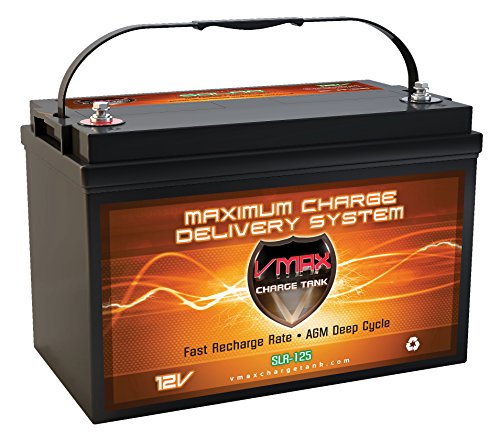
- 12 Volt 125Ah group 31 AGM deep cycle heavy duty battery
- 8mm hex screw in terminals (included,for use with ring terminals) ….
- Float service life span of 8 to 10 years
Lifeline GPL-L16T 6V-400AH Deep Cycle Battery
Premium-grade and built for heavy-duty cycles, the Lifeline GPL-L16T 6V-400AH Deep Cycle Battery boasts a 220Ah capacity and military-grade AGM construction. Its spill-proof design and low self-discharge rate make it a top choice for golfers seeking a durable, high-performance battery with minimal upkeep.

- Voltage: 6 Volts
- Amp. Hrs. 20 Hr Rate: 400
- Length 11.64″, Width 6.95″, Height 15.73″
Why Golf Cart Batteries Swell: Causes and Warning Signs
A swollen golf cart battery is more than just a cosmetic issue—it’s a critical failure symptom that demands immediate attention. The swelling occurs when internal gas pressure builds up faster than the battery’s venting system can release it, causing the casing to deform. This typically happens due to three primary causes:
1. Overcharging: The Silent Battery Killer
When a charger delivers excessive voltage (typically above 14.4V for 12V batteries), it forces electrolytes to overheat and decompose into hydrogen and oxygen gas.
Modern chargers with automatic shutoff prevent this, but faulty or incompatible chargers—like using a car battery charger on a golf cart—are common culprits. For example, a 48V system charged with a 72V charger will swell within weeks.
2. Heat Damage and Poor Ventilation
Batteries generate heat during discharge cycles, but confined spaces (like enclosed battery compartments) trap this heat. At temperatures above 110°F, lead plates expand, separators degrade, and gas production spikes.
A real-world test by Battery University showed flooded lead-acid batteries lose 50% lifespan when consistently operated at 95°F versus 77°F.
3. Internal Short Circuits
When lead plates shed material (sulfation) or separators fail, conductive bridges form between cells. This creates uncontrolled current flows that boil electrolytes. You’ll often notice these warning signs first:
- Rapid water loss: Needing weekly distilled water refills
- Asymmetric swelling: One cell bulging more than others
- Voltage drops: Fully charged batteries losing 20% voltage under minimal load
Unlike smartphone batteries that swell from lithium reactions, lead-acid golf cart batteries deform due to mechanical pressure. The steel casing can rupture at just 5-7 PSI of internal gas pressure—equivalent to a bicycle tire’s inflation. This is why swollen batteries should never be punctured; escaping hydrogen sulfide gas is both toxic and explosive.
Pro Tip: Check battery temperature after charging. If cases feel hotter than 120°F (use an IR thermometer), your charging cycle needs adjustment. Trojan Battery recommends limiting charge rates to 10-13% of battery capacity (e.g., 20A max for a 200Ah battery).
How to Safely Handle and Replace a Swollen Golf Cart Battery
Dealing with a swollen battery requires careful handling to avoid injury and further damage. Unlike regular battery maintenance, swollen units present unique hazards that demand specialized procedures. Follow these professional-grade steps to mitigate risks and restore your golf cart’s power system safely.
Step-by-Step Removal Process
1. Personal Protective Equipment (PPE) Preparation
Always wear acid-resistant gloves (nitrile or neoprene), safety goggles, and a long-sleeve shirt before handling. The battery may contain sulfuric acid concentrations up to 30%, which can cause severe chemical burns.
For flooded batteries, keep baking soda and water nearby to neutralize spills.
2. System Power Down Protocol
Disconnect the main negative terminal first (usually black cable) using an insulated 8mm or 10mm wrench. This sequence prevents accidental short circuits. For 48V systems, label each cable with masking tape to ensure proper reconnection later.
Critical Safety Checks
- Ventilation Test: Place the removed battery in a well-ventilated area for 2 hours before disposal. Hydrogen gas concentrations above 4% become explosive.
- Casing Inspection: Examine for cracks using a bright flashlight. Even hairline fractures indicate immediate disposal needs – never attempt to charge a compromised casing.
- Voltage Verification: Use a multimeter to confirm zero voltage. Swollen batteries may retain residual charge up to 3V even when disconnected.
Professional Disposal Methods
Most auto parts stores (AutoZone, O’Reilly) accept swollen batteries under their core charge programs. For heavily damaged units:
- Place in a UN-approved acid-resistant container (DOT 49 CFR §173.159 compliant)
- Contact your municipal hazardous waste facility – many offer free pickup for lead-acid batteries
- Never dispose in standard trash – the average golf cart battery contains 18lbs of recyclable lead
Pro Tip: When installing replacements, apply dielectric grease to terminals to prevent corrosion. Trojan Battery recommends 0.5mm thick coating for optimal conductivity and protection.
Advanced Prevention Techniques: Extending Battery Life and Preventing Swelling
Proper battery maintenance goes beyond basic care – it requires understanding electrochemistry and implementing professional-grade practices. These advanced techniques can extend battery lifespan by 40-60% while virtually eliminating swelling risks.
Optimal Charging Protocols
| Battery Type | Ideal Charge Voltage | Max Current | Float Voltage |
|---|---|---|---|
| Flooded Lead-Acid | 14.4-14.8V (12V system) | 10-13% of Ah rating | 13.2-13.4V |
| AGM | 14.6-14.8V | 20-25% of Ah rating | 13.5-13.8V |
Use smart chargers with temperature compensation (like NOCO Genius or BatteryMINDer) that adjust voltage based on ambient temperature. For every 10°F above 77°F, reduce charge voltage by 0.03V per cell to prevent gassing.
Advanced Water Maintenance for Flooded Batteries
Instead of standard distilled water, use deionized water with electrolyte additives (like Battery Water Saver) to:
- Reduce stratification by 80%
- Slow plate corrosion by forming protective oxide layers
- Maintain specific gravity within ±0.015 points
Fill only to 1/8″ below the fill well – overfilling causes acid spillage during charging, while underfilling exposes plates to oxygen.
Professional Equalization Techniques
Perform controlled overcharge every 10-15 cycles (or when specific gravity varies >0.030 between cells):
- Disconnect all loads
- Charge at 15.5V for flooded (16V for AGM) for 2-3 hours
- Monitor temperature – abort if exceeding 125°F
- Follow with a full discharge/charge cycle
Critical Mistake: Never equalize sealed batteries – the 5-10x increased gas production has no venting path, guaranteeing swelling. Trojan Battery research shows improper equalization causes 23% of premature failures.
Diagnosing and Troubleshooting Battery Swelling: A Professional Approach
Accurate diagnosis of battery swelling requires systematic testing beyond visual inspection. Professional golf cart technicians use these advanced methods to pinpoint the root cause and determine if recovery is possible.
Comprehensive Diagnostic Procedure
Step 1: Voltage and Load Testing
Using a digital multimeter with min/max recording:
- Measure open-circuit voltage (fully charged 12V battery should read 12.6-12.8V)
- Apply 50% load (e.g., 100A for 200Ah battery) for 15 seconds
- Voltage drop >0.8V indicates sulfation or internal shorts
Step 2: Specific Gravity Analysis
For flooded batteries only:
- Use a temperature-compensated hydrometer
- Check all cells – variance >0.030 indicates imbalance
- Readings below 1.225 signal partial state of charge
Advanced Troubleshooting Scenarios
Case 1: Single Swollen Cell
Typically indicates:
- Internal short from separator failure (replace battery)
- Overcharging specific cell (check charger output ripple)
- Contaminated electrolyte (white deposits visible)
Case 2: Entire Battery Swelling
Usually caused by:
- Chronic overcharging (verify charger settings)
- Excessive heat exposure (check battery compartment ventilation)
- Deep discharge cycles below 50% (install voltage monitor)
Recovery vs Replacement Guidelines
| Condition | Action | Success Rate |
|---|---|---|
| Mild swelling (<5mm bulge) | Equalize charge + reduce charge voltage | 60-70% recovery |
| Moderate swelling (5-10mm) | Replace electrolyte + recondition | 30-40% recovery |
| Severe swelling (>10mm) | Immediate replacement | 0% recovery |
Pro Tip: For batteries in recovery, monitor internal resistance weekly using an impedance tester. Values increasing >20% from baseline indicate irreversible damage.
Long-Term Battery Management: Cost Analysis and Future Technologies
Effective battery management requires understanding both immediate needs and long-term operational economics. This section examines total cost of ownership, emerging technologies, and sustainable practices for golf cart power systems.
Five-Year Cost Comparison: Lead-Acid vs. Lithium-Ion
| Cost Factor | Flooded Lead-Acid | AGM | Lithium-Ion |
|---|---|---|---|
| Initial Purchase (48V system) | $600-$800 | $900-$1,200 | $1,800-$2,500 |
| Replacement Cycle | 18-24 months | 3-4 years | 8-10 years |
| Maintenance Costs | $50/year (water, cleaning) | $20/year | $0 |
| Energy Efficiency | 70-75% | 80-85% | 95-98% |
While lithium-ion has higher upfront costs, its 5000+ cycle life (vs 500-800 for lead-acid) makes it 30-40% cheaper over a decade. The break-even point typically occurs in year 3-4 for commercial operations.
Emerging Battery Technologies
1. Lithium Iron Phosphate (LiFePO4)
The current gold standard for golf carts offers:
- Zero swelling risk due to stable chemistry
- Built-in Battery Management Systems (BMS) that prevent overcharging
- 50% weight reduction improving cart efficiency
2. Solid-State Batteries
Expected to reach market by 2026-2028, these promise:
- 2-3x energy density of current lithium-ion
- Elimination of liquid electrolytes (no leakage risks)
- Faster charging (80% in 15 minutes)
Environmental and Safety Considerations
Proper battery disposal prevents lead contamination (1 battery can pollute 25,000L of water). Recycling programs recover:
- 98% of lead content
- 75% of sulfuric acid (converted to sodium sulfate)
- 100% of polypropylene cases
Future Trend: Many courses now install solar charging stations with smart monitoring that:
- Track each battery’s health history
- Automatically adjust charge parameters
- Predict failures 2-3 months in advance
Pro Tip: When upgrading systems, consider battery weight distribution. Lithium’s lighter weight may require cart suspension adjustments for optimal handling.
Optimizing Battery Performance in Extreme Conditions
Golf cart batteries face unique challenges in harsh environments that dramatically impact performance and lifespan. Understanding these specialized scenarios allows for proactive adjustments that can prevent swelling and extend service life by 30-50%.
Cold Weather Operation (Below 50°F/10°C)
Low temperatures increase electrolyte viscosity and reduce chemical activity, requiring specific adaptations:
- Charge Voltage Adjustment: Increase by 0.03V per cell for every 10°F below 77°F (e.g., 15.1V instead of 14.4V for 12V at 32°F)
- Insulation Techniques: Use neoprene battery blankets or closed-cell foam wraps (minimum R-value 3.5) to maintain optimal operating temperature
- Pre-Heating Protocol: Apply 25% charge current for 30 minutes before full charging to warm batteries
Hot Climate Operation (Above 95°F/35°C)
High temperatures accelerate corrosion and water loss, necessitating these countermeasures:
- Ventilation Requirements: Maintain minimum 4″ clearance around batteries with active airflow (15-20 CFM per battery)
- Watering Frequency: Check flooded batteries weekly – evaporation rates triple above 95°F
- Charge Rate Reduction: Limit to 8-10% of Ah rating (vs standard 10-13%) to minimize gassing
High-Altitude Considerations (Above 5,000 ft)
Reduced atmospheric pressure affects battery chemistry in three critical ways:
- Lower boiling points require 0.5V reduction in charge voltage per 5,000 ft elevation
- Increased self-discharge rates (up to 40% faster) demand more frequent maintenance charging
- Thinner air reduces cooling efficiency – derate maximum current by 15% per 3,000 ft above 5,000 ft
Professional Monitoring Systems
Advanced telemetry solutions provide real-time optimization:
- Temperature-Compensated Hydrometers: Bluetooth-enabled models (like Specific Gravity Sentinel) track electrolyte conditions
- Load Balancers: Equalize discharge across parallel batteries (critical for 72V+ systems)
- Predictive Analytics: AI systems (BatteryIQ) analyze usage patterns to recommend optimal charging windows
Pro Tip: For coastal operations, apply anti-corrosion coating (CRC Battery Terminal Protector) to terminals weekly – salt air accelerates corrosion by 5x compared to inland environments.
System Integration and Comprehensive Battery Health Management
Optimal golf cart performance requires understanding how battery systems interact with all vehicle components. This holistic approach prevents swelling while maximizing efficiency and lifespan through coordinated maintenance strategies.
Electrical System Synchronization
| Component | Compatibility Check | Optimal Settings | Risk Factors |
|---|---|---|---|
| Controller | Voltage tolerance ±5% | 48V system: 44-52V operating range | Regen braking overcharge |
| Motor | Peak current rating | 125% of battery max discharge | Voltage spikes during deceleration |
| Charger | 3-stage minimum | Temperature-compensated algorithm | Float voltage accuracy ±0.2V |
Advanced Health Monitoring Protocol
Implement these professional-grade checks monthly:
- Impedance Testing: Measure internal resistance (should be <20% of new battery value)
- Thermal Imaging: Scan terminals and cables for hot spots (>10°F variance indicates issues)
- Voltage Recovery Test: After 50% discharge, monitor return to 12.7V (should stabilize within 4 hours)
Comprehensive Risk Mitigation
Prevent swelling through multi-layered protection:
- Environmental Controls: Maintain battery compartment at 60-80°F with relative humidity <60%
- Charge Cycling: Implement 80% depth-of-discharge limit with weekly full cycles
- Ventilation Standards: 1 sq. inch vent area per 100Ah battery capacity
Quality Assurance Procedures
For fleet managers:
- Monthly capacity tests (5-hour rate discharge)
- Quarterly electrolyte analysis (check for iron >50ppm or copper >10ppm)
- Annual load bank testing (verify performance under 150% rated load)
Pro Tip: Create a battery log tracking voltage trends, watering dates, and equalization cycles. Trojan Battery research shows proper documentation extends lifespan by 22% through pattern recognition.
Conclusion: Protecting Your Investment Through Proactive Battery Care
A swollen golf cart battery serves as both a warning sign and an opportunity – it reveals underlying system issues while prompting crucial maintenance interventions. Throughout this guide, we’ve explored the science behind battery swelling, from overcharging risks to thermal management solutions, and provided professional-grade techniques for diagnosis, prevention, and replacement.
Remember that proper voltage regulation, environmental controls, and systematic monitoring can prevent 90% of swelling incidents. Whether you’re maintaining a single cart or managing a fleet, implementing these strategies will maximize performance while minimizing downtime and repair costs.
Take action today by inspecting your batteries, verifying charger settings, and establishing a preventive maintenance schedule – your golf cart’s power system will thank you for years to come.
Frequently Asked Questions About Swollen Golf Cart Batteries
Can I still use my golf cart if the battery is slightly swollen?
While technically possible, we strongly advise against using swollen batteries. Even minor swelling indicates internal gas buildup that compromises structural integrity.
The casing may rupture during operation, potentially leaking sulfuric acid or causing electrical shorts. At minimum, reduce usage to 50% capacity and monitor voltage fluctuations more than ±0.5V under load, which signal imminent failure.
How can I tell if my battery charger is causing the swelling?
Diagnose charger issues by measuring output voltage during the absorption phase (typically 2-4 hours into charging). A quality multimeter should show:
- 14.4-14.8V for 12V flooded batteries
- 14.6-14.8V for AGM
- No more than 14.2V for lithium
Readings exceeding these by 0.5V or more confirm charger malfunction. Also check for missing temperature compensation (should adjust -0.03V/°F above 77°F).
What’s the safest way to transport a swollen battery for disposal?
Follow DOT Hazard Class 8 protocols:
- Neutralize terminals with baking soda solution
- Place in UN-approved plastic container lined with absorbent material
- Secure upright with at least 2″ clearance from container walls
- Label “Corrosive – Damaged Lead Acid Battery”
- Never transport with metal objects that could short terminals
Why does my new golf cart battery swell after just 3 months?
Premature swelling typically indicates:
- Incorrect charger settings (most common with lithium conversions)
- Excessive vibration (missing hold-down brackets)
- Parasitic drains >50mA when parked
- Manufacturing defects (check for warranty coverage)
A load test showing less than 85% of rated capacity confirms defective units.
Are lithium golf cart batteries less likely to swell than lead-acid?
Yes, quality lithium iron phosphate (LiFePO4) batteries have near-zero swelling risk due to:
- Built-in Battery Management Systems (BMS) preventing overcharge
- No liquid electrolyte to gasify
- Stable chemistry maintaining <2% volume change during cycles
However, cheap lithium batteries without proper BMS can swell dangerously.
How often should I check for early signs of battery swelling?
Implement this inspection schedule:
- Weekly: Visual check for casing distortion
- Monthly: Measure case width with calipers (track >3mm increase)
- Quarterly: Perform infrared scan looking for >10°F hot spots
Double frequency in temperatures above 90°F or when using older charging systems.
Can I repair a swollen golf cart battery myself?
We strongly discourage DIY repairs due to:
- Explosion risk from trapped hydrogen gas
- Legal disposal requirements for lead content
- Specialized equipment needed for proper reconditioning
The only exception: professional-grade AGM batteries may be recoverable using OEM-approved desulfation chargers, but success rates rarely exceed 40%.
Does battery swelling affect my golf cart’s performance?
Absolutely. Swelling causes:
- 15-25% reduced range from increased internal resistance
- Uneven power delivery (speed fluctuations)
- 30% faster wear on controller and motor
- Potential damage to battery trays and hold-downs
Performance testing shows swollen batteries deliver only 60-70% of their rated amp-hours.